

Setting up a trampoline tent can be an exciting project that combines the fun of a trampoline with the cozy comfort of a tent. As a trampoline tent supplier, I've had the opportunity to see firsthand the various tools and equipment that can make this setup process smoother and more efficient. In this blog post, I'll explore whether there are any special tools needed to set up a trampoline tent and provide some insights based on my experience in the industry.
Basic Tools for Trampoline Tent Setup
Before we dive into special tools, let's start with the basic tools that are commonly required for setting up a trampoline tent. These tools are likely to be found in most households or can be easily purchased at a local hardware store.
1. Screwdriver
A screwdriver is an essential tool for assembling the frame of the trampoline tent. Most trampoline tents come with a metal or plastic frame that requires screws to hold the pieces together. A Phillips head screwdriver is usually the most common type needed, but it's a good idea to check the product manual to confirm. Having a set of different-sized screwdrivers can also be helpful in case there are various screw sizes used in the assembly.
2. Adjustable Wrench
An adjustable wrench is useful for tightening nuts and bolts on the trampoline frame. Some trampoline tents may have metal components that need to be secured using nuts and bolts, and an adjustable wrench allows you to easily adjust the size to fit different fasteners. This tool ensures a secure and stable setup, preventing any wobbling or movement during use.
3. Hammer
A hammer can be handy for driving in stakes to secure the tent to the ground. Most trampoline tents come with stakes that need to be inserted into the ground around the perimeter of the tent. Using a hammer makes it easier to drive the stakes firmly into the soil, providing additional stability and preventing the tent from being blown away by strong winds.
4. Measuring Tape
A measuring tape is important for ensuring that the trampoline tent is set up in the correct location and at the right height. You'll need to measure the diameter of the trampoline to ensure that the tent fits properly. Additionally, measuring the height of the frame can help you determine if there is enough clearance for people to stand inside the tent comfortably.
Special Tools and Accessories
While the basic tools mentioned above are sufficient for most trampoline tent setups, there are some special tools and accessories that can enhance the process and the overall experience.
1. Trampoline Foam Tubes
Trampoline Foam Tubes are a great addition to a trampoline tent setup. These foam tubes can be used to cover the edges of the trampoline frame, providing a soft and cushioned surface. This not only protects users from bumping into the hard frame but also adds an extra layer of safety. Foam tubes are available in various sizes and colors, allowing you to customize the look of your trampoline tent.
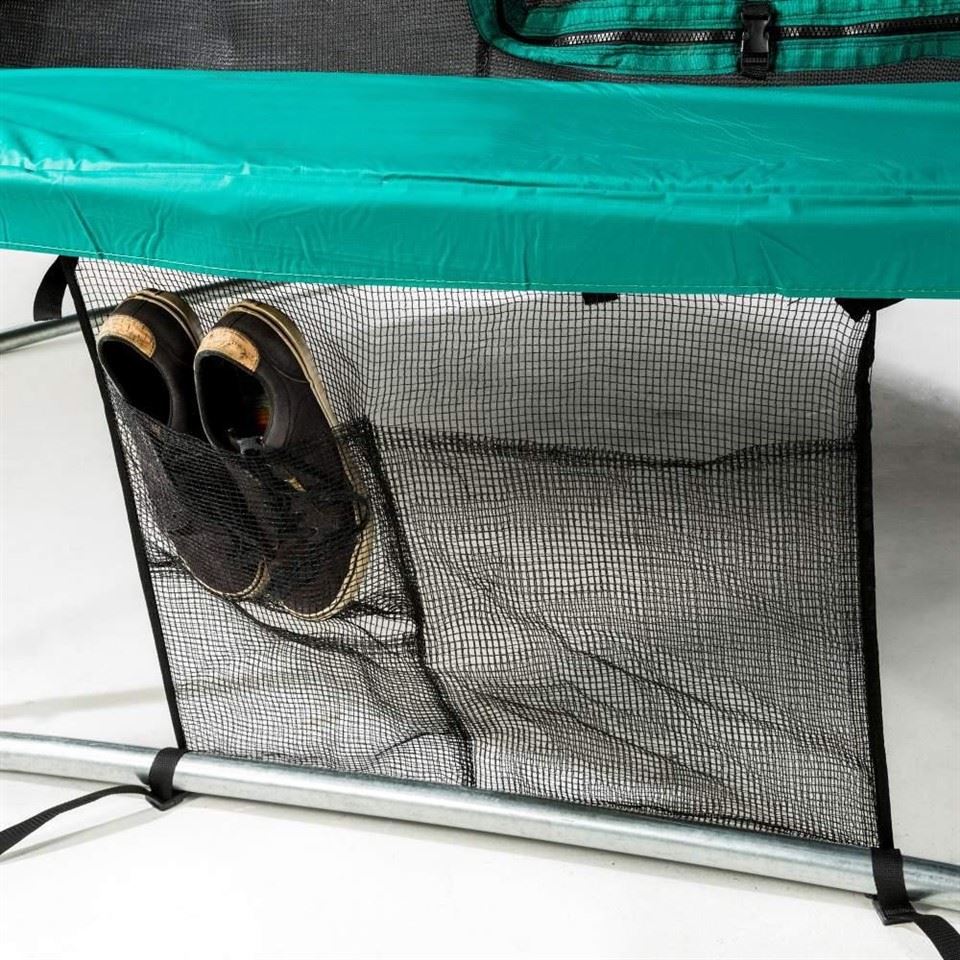
2. Trampoline Shoe Bags
Trampoline Shoe Bags are a practical accessory that helps keep the trampoline clean and free from dirt and debris. When users enter the trampoline tent, they can simply remove their shoes and place them in the shoe bags. This prevents dirt, mud, and other contaminants from being tracked onto the trampoline surface, extending its lifespan and reducing the need for frequent cleaning.
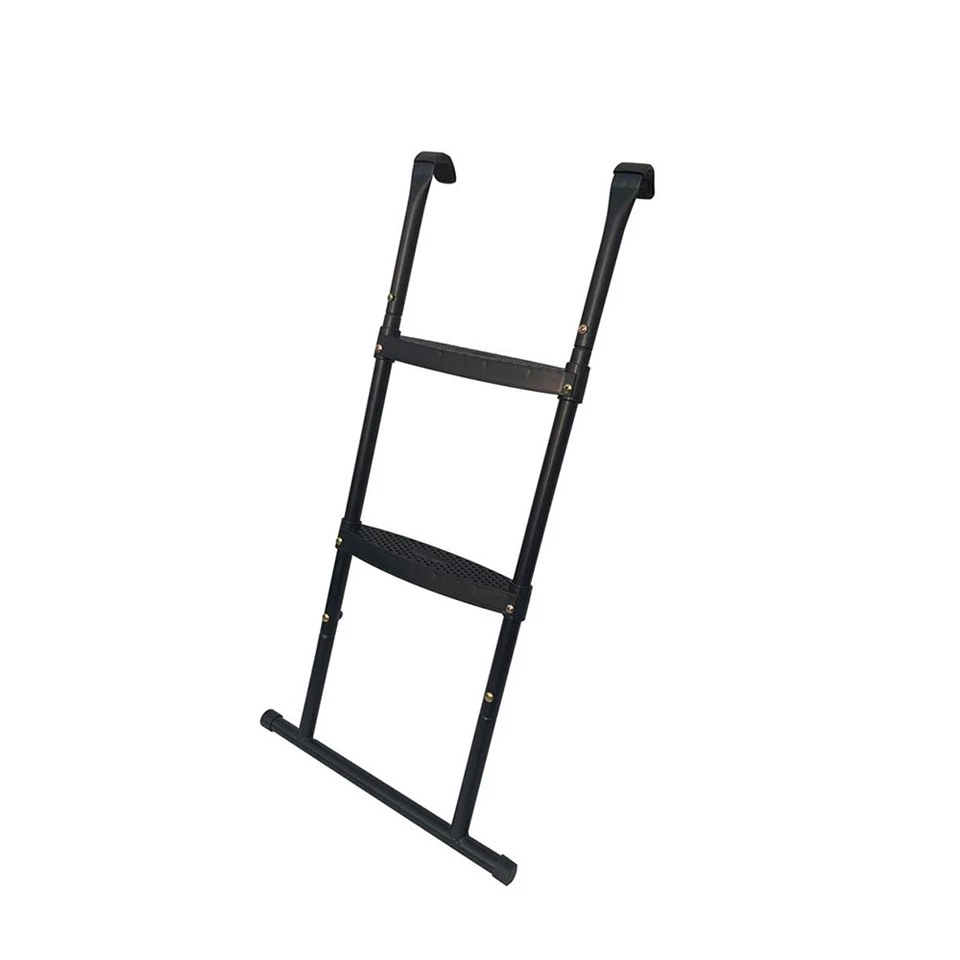
3. Trampoline Ladder
Trampoline Ladder is an essential tool for easy access to the trampoline. It provides a safe and convenient way for users to climb onto the trampoline, especially for children or individuals with limited mobility. A sturdy and well-designed ladder ensures stability and reduces the risk of accidents during entry and exit.
Considerations for Setting Up a Trampoline Tent
In addition to having the right tools, there are several other factors to consider when setting up a trampoline tent.
1. Location
Choosing the right location for your trampoline tent is crucial. It should be placed on a flat and level surface, away from any obstacles such as trees, fences, or power lines. The area should also have enough space around the trampoline to allow for safe movement and prevent any collisions.
2. Weather Conditions
Before setting up the trampoline tent, check the weather forecast. Avoid setting it up on a windy or rainy day, as this can make the setup process more difficult and increase the risk of damage to the tent. If the weather is unpredictable, consider using additional anchors or weights to secure the tent to the ground.
3. Assembly Instructions
Always follow the manufacturer's assembly instructions carefully. Each trampoline tent may have specific requirements and steps for setup, so it's important to read the manual thoroughly before starting. If you encounter any difficulties or have questions, don't hesitate to contact the manufacturer or seek professional assistance.
Conclusion
In conclusion, while there are some basic tools required for setting up a trampoline tent, there are also several special tools and accessories that can enhance the process and the overall experience. Trampoline Foam Tubes, Trampoline Shoe Bags, and Trampoline Ladder are just a few examples of the useful items that can make your trampoline tent setup easier and more enjoyable.
If you're interested in purchasing a trampoline tent or any of the accessories mentioned in this blog post, I encourage you to reach out to us for more information. We're a trusted trampoline tent supplier with a wide range of products to meet your needs. Whether you're looking for a small tent for your backyard or a large commercial-grade setup, we can provide you with high-quality products and excellent customer service. Contact us today to start the procurement process and bring the fun of a trampoline tent to your home or business.
References
- Various trampoline tent product manuals.
- Industry knowledge and experience as a trampoline tent supplier.