

Hey there! As a supplier of Trampoline Tents, I often get asked this question: "Can a trampoline tent be used on a concrete surface?" Well, let's dive right into it and find out.
The Pros of Using a Trampoline Tent on Concrete
First off, there are a few advantages to setting up your trampoline tent on a concrete surface. One of the biggest perks is the stability. Concrete is a solid and flat surface, which means your trampoline won't be sinking into the ground or wobbling around. This is especially great if you live in an area with uneven terrain or soft soil.
Another benefit is the cleanliness. Unlike grass or dirt, concrete doesn't have any mud, leaves, or bugs that can get inside your trampoline tent. This makes it easier to keep the tent clean and free from debris. Plus, if you have kids who love to jump around, they won't come back inside covered in dirt!
The Cons of Using a Trampoline Tent on Concrete
However, there are also some drawbacks to using a trampoline tent on concrete. One of the main concerns is safety. Concrete is a hard surface, and if someone were to fall off the trampoline, they could get seriously injured. This is why it's crucial to have proper safety measures in place, such as a safety net and padding around the edges of the trampoline.
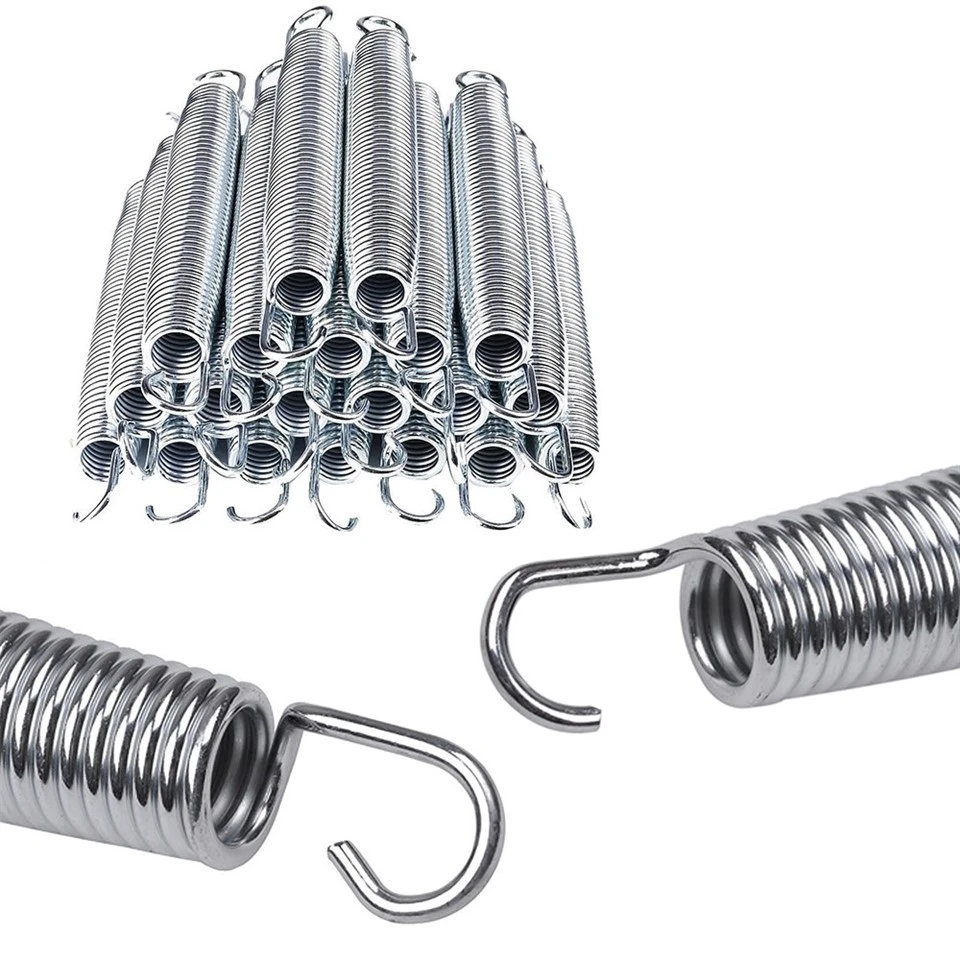
Another issue is the wear and tear on the trampoline. The constant bouncing on a hard surface can cause the springs and other components to wear out more quickly. This means you may need to replace parts more frequently, which can be costly. Additionally, the concrete can also scratch or damage the bottom of the trampoline tent.
Safety Considerations
If you decide to use a trampoline tent on a concrete surface, there are several safety considerations you need to keep in mind. First and foremost, make sure you have a high-quality safety net installed around the trampoline. This will prevent anyone from falling off and getting injured. You should also consider adding padding around the edges of the trampoline to cushion any falls.
Another important safety measure is to secure the trampoline to the ground. On a concrete surface, you can use Trampoline Ground Nails to anchor the trampoline in place. This will prevent it from moving or tipping over during use.
It's also a good idea to have an adult supervise anyone using the trampoline, especially children. Make sure they follow the rules and don't engage in any dangerous behavior, such as double bouncing or roughhousing.
Maintenance and Care
Using a trampoline tent on a concrete surface requires some extra maintenance and care. As mentioned earlier, the constant bouncing on a hard surface can cause the springs and other components to wear out more quickly. To prevent this, you should regularly inspect the trampoline for any signs of damage or wear. Replace any worn or damaged parts immediately to ensure the safety of the users.
You should also clean the trampoline regularly to remove any dirt, debris, or moisture. Use a mild soap and water to clean the surface of the trampoline and the tent. Make sure to dry it thoroughly before using it again to prevent mold and mildew from growing.
In addition, you may want to consider using Trampoline Spring Cover Pad to protect the springs from damage. These pads can also provide an extra layer of cushioning for added safety.
Compatibility of Trampoline Tents with Concrete
Not all trampoline tents are suitable for use on a concrete surface. When choosing a trampoline tent, make sure it is designed to be used on hard surfaces. Look for a tent that has a durable bottom material that can withstand the wear and tear of bouncing on concrete.
You should also consider the size and weight of the trampoline tent. A larger and heavier tent may be more stable on a concrete surface, but it may also be more difficult to set up and move around. Make sure you choose a tent that is the right size and weight for your needs.

Tips for Setting Up a Trampoline Tent on Concrete
If you've decided to set up your trampoline tent on a concrete surface, here are some tips to help you get started:
- Choose the Right Location: Make sure you choose a flat and level area on the concrete surface to set up the trampoline. Avoid areas with any cracks or unevenness that could cause the trampoline to wobble or tip over.
- Prepare the Surface: Clean the concrete surface thoroughly before setting up the trampoline. Remove any dirt, debris, or oil that could affect the stability of the trampoline.
- Set Up the Trampoline: Follow the manufacturer's instructions carefully when setting up the trampoline. Make sure all the components are properly assembled and tightened.
- Secure the Trampoline: Use Trampoline Ground Nails to anchor the trampoline to the concrete surface. Make sure the nails are driven in securely to prevent the trampoline from moving or tipping over.
- Install the Safety Net and Padding: Install a high-quality safety net around the trampoline and add padding around the edges for added safety.
- Set Up the Tent: Once the trampoline is set up and secured, you can set up the tent. Follow the manufacturer's instructions carefully to ensure the tent is properly installed.
Conclusion
So, can a trampoline tent be used on a concrete surface? The answer is yes, but it's important to take the necessary safety precautions and maintenance steps. While there are some advantages to using a trampoline tent on concrete, such as stability and cleanliness, there are also some drawbacks, such as safety concerns and wear and tear on the trampoline.
If you're considering using a trampoline tent on a concrete surface, make sure you do your research and choose a high-quality tent that is designed for use on hard surfaces. Follow the safety guidelines and maintenance tips outlined in this blog post to ensure the safety and longevity of your trampoline tent.
If you have any questions or are interested in purchasing a trampoline tent, feel free to reach out to us for more information. We're here to help you make the best decision for your needs.
References
- American Academy of Pediatrics. (2012). Trampoline safety. Pediatrics, 130(5), 959-964.
- Consumer Product Safety Commission. (2021). Trampoline safety. Retrieved from https://www.cpsc.gov/Recalls/Trampoline-Safety
- Trampoline manufacturers' guidelines and instructions.