

Can I use a fun trampoline in the rain?
As a supplier of fun trampolines, I often get asked the question: "Can I use a fun trampoline in the rain?" It's a valid concern, especially for those who have limited time to enjoy their trampolines and might see a rainy day as an opportunity to still have some fun. In this blog post, I'll delve into the science and practicality behind using a trampoline in the rain.
First and foremost, let's talk about the safety aspects. Using a trampoline in the rain significantly increases the risk of accidents. The surface of the trampoline mat becomes extremely slippery when wet. Even the most experienced jumpers can find it difficult to maintain their balance, leading to a higher likelihood of falls and injuries. The wet conditions can also affect the springs and other components of the trampoline. Water can cause rusting and corrosion over time, weakening the structure and potentially compromising its safety. For instance, a rusted spring might break while in use, which could lead to a serious accident.
From a performance perspective, a wet trampoline doesn't perform as well as a dry one. The water on the mat adds extra weight and dampens the bounce. You won't get the same high - flying jumps and energetic rebounds that you're used to on a dry day. This can make the whole experience less enjoyable and might even discourage users from using the trampoline in the future.
Another factor to consider is the long - term damage to the trampoline. Continuous exposure to rain can damage the fabric of the mat. Most trampoline mats are made of materials that are designed to withstand normal wear and tear, but prolonged contact with water can cause the fabric to weaken, stretch, or even rot. The frame of the trampoline, usually made of metal, is also at risk of rusting. Rust not only looks unappealing but can also compromise the structural integrity of the trampoline.
However, if you're really eager to use the trampoline in light rain and take proper precautions, there are some steps you can take. First, make sure to dry the trampoline thoroughly after each use in the rain. Use a large towel or a squeegee to remove as much water as possible from the mat. You can also let it air - dry in a well - ventilated area. Additionally, check the springs and other components regularly for signs of rust or damage. If you notice any issues, it's important to address them immediately.
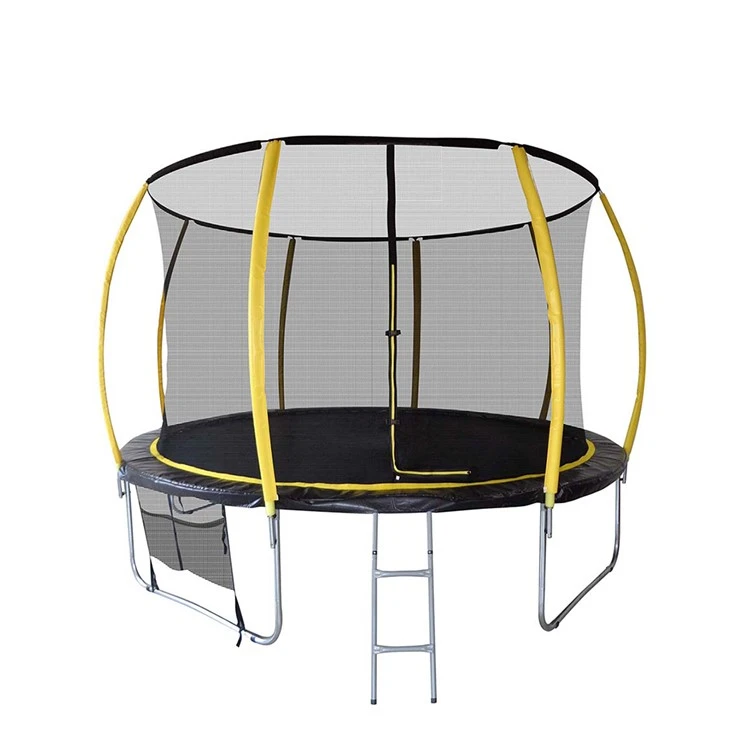
Now, let's talk about the types of trampolines we offer as a supplier. We have a wide range of options, including Ground Trampoline, which is designed to be close to the ground, providing a more stable and safe jumping experience. Our Big Trampoline is perfect for larger groups or those who want more space to jump. And for those who love the outdoors, our Outdoor Trampoline is built to withstand various weather conditions, although it's still not recommended to use it in heavy rain.
When it comes to choosing a trampoline, it's important to consider your specific needs and the environment in which it will be used. If you live in an area with a lot of rain, you might want to invest in a trampoline with better weather - resistant features. Some trampolines come with covers that can protect them from the elements when not in use.
In conclusion, while it's technically possible to use a fun trampoline in the rain, it's not advisable due to the safety risks and potential damage to the trampoline. It's best to wait for dry weather to enjoy your trampoline to the fullest. At our company, we're committed to providing high - quality trampolines that offer a safe and fun experience for everyone. If you're interested in purchasing a trampoline or have any questions about our products, we encourage you to reach out to us for a procurement discussion. We'll be happy to assist you in finding the perfect trampoline for your needs.

References
- American Academy of Pediatrics. (2012). Trampoline use by children. Pediatrics, 130(5), 959 - 960.
- Consumer Product Safety Commission. (2020). Trampoline safety. Retrieved from official CPSC publications.