

Hey there! I'm a supplier of personal trampolines, and I get a ton of questions from folks, especially those with back problems. So, I thought I'd dive deep into the question: Can I use a personal trampoline if I have back problems?
First off, let's talk about what a personal trampoline is. We've got all sorts of options, like the Small Outdoor Trampoline, perfect for a little backyard fun. There's also the 6ft Trampoline with Enclosure, great for kids and even some adults who want a bit of bounce. And don't forget the Junior Trampoline, which is just right for the little ones.
Now, back to the main question. Having back problems is no joke. It can really limit your mobility and make everyday activities a pain. So, the idea of jumping on a trampoline might seem like a total no - go. But it's not that simple.
On one hand, there are some potential benefits of using a trampoline for people with back problems. Trampolining is a form of low - impact exercise. When you jump on a trampoline, the surface absorbs a lot of the shock that your body would normally feel when running or doing other high - impact activities. This means less stress on your spine and back muscles.
Some studies have shown that gentle bouncing on a trampoline can actually help improve blood circulation in the back. Better blood flow can bring more oxygen and nutrients to the affected areas, which may aid in the healing process. It can also help strengthen the core muscles. Your core muscles play a crucial role in supporting your back. When these muscles are stronger, they can take some of the pressure off your spine.
However, there are also some serious risks. If you have a severe back condition, like a herniated disc or a spinal fracture, jumping on a trampoline could make things worse. The up - and - down motion can put sudden and intense pressure on your spine, which might cause further damage.
If you have a history of back pain, it's really important to consult your doctor before you start using a trampoline. Your doctor can assess your specific condition and give you personalized advice. They might recommend certain exercises on the trampoline or tell you to stay away from it altogether.
If your doctor gives you the green light, here are some tips to make your trampoline experience as safe as possible. Start slow. Don't go for big jumps right away. Just do some gentle bouncing to get your body used to the motion. Keep your movements controlled. Avoid sudden, jerky movements that could strain your back.
Also, make sure you have the right trampoline. A good quality trampoline with a sturdy frame and a well - made jumping surface is essential. Our 6ft Trampoline with Enclosure is a great option as it provides some safety features. The enclosure can prevent you from falling off the trampoline, which is especially important if you're not fully in control of your movements.
Another thing to consider is the duration of your trampoline sessions. Don't overdo it. Start with short sessions, maybe 5 - 10 minutes, and gradually increase the time as your body gets stronger.
It's also a good idea to warm up before you start jumping. Do some simple stretching exercises for your back, legs, and hips. This can help loosen up your muscles and reduce the risk of injury.
If you start to feel any pain or discomfort while using the trampoline, stop immediately. Pain is your body's way of telling you that something is wrong. Don't ignore it.

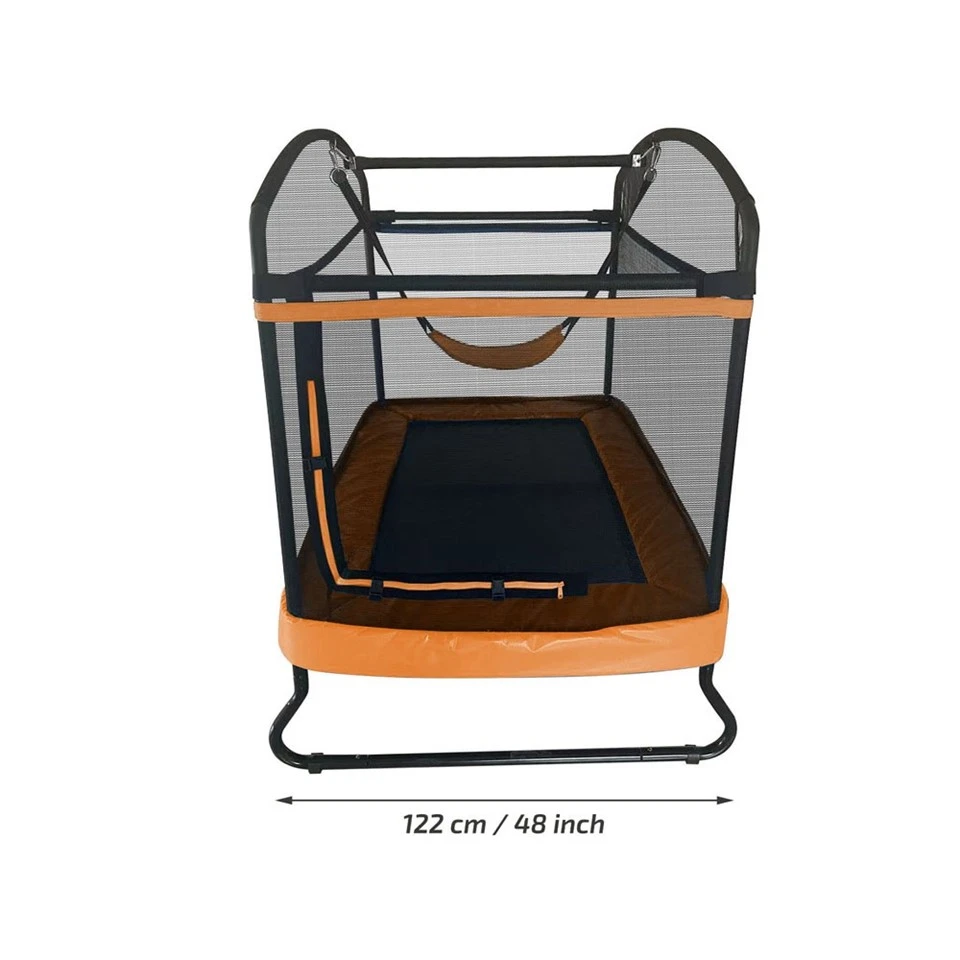
Now, if you're thinking about getting a personal trampoline, we've got a wide range of options to suit different needs and budgets. Whether you're looking for a small outdoor trampoline for some light exercise or a bigger one for more intense bouncing, we've got you covered.
We're committed to providing high - quality trampolines that are safe and durable. Our team is always on hand to answer any questions you might have about our products. If you're interested in purchasing a trampoline, we'd love to have a chat with you. You can reach out to us to discuss your requirements and get more information about our available models.
In conclusion, using a personal trampoline with back problems is a bit of a double - edged sword. There are potential benefits, but there are also risks. It's crucial to talk to your doctor first and take all the necessary precautions. If done right, trampolining could be a fun and beneficial addition to your back - care routine.
So, if you're ready to take the plunge and explore the world of trampolining, get in touch with us. We'll help you find the perfect trampoline for your situation.
References
- "Low - Impact Exercise for Back Health" - Journal of Physical Therapy Research
- "The Effects of Trampolining on Core Muscle Strength" - International Journal of Sports Medicine