

As a supplier of kids trampolines, one question that frequently arises from parents and customers is whether kids trampolines can be used in extreme heat. It's a valid concern, as the safety and durability of the trampoline, as well as the well - being of the children using it, are of utmost importance. In this blog, we'll delve into the scientific aspects of using kids trampolines in extreme heat, potential risks, and some practical tips.
The Impact of Extreme Heat on Trampoline Materials
Trampolines are typically made up of several key components: the frame, the jumping mat, and the springs. Each of these components can be affected by extreme heat in different ways.
Frame
Most kids trampolines have frames made of steel or aluminum. Steel frames are generally more robust, but they can expand in extreme heat. When the temperature rises significantly, the metal expands according to the principle of thermal expansion. This expansion can put additional stress on the joints and connections of the frame. Over time, repeated expansion and contraction due to temperature changes can weaken these connections, potentially leading to structural instability.
Aluminum frames, on the other hand, are lighter and more corrosion - resistant. However, they also expand more readily than steel under high temperatures. The coefficient of thermal expansion for aluminum is higher than that of steel, which means it will expand to a greater degree for the same increase in temperature. This can cause similar issues with the frame's integrity, such as loosening of bolts and fittings.
Jumping Mat
The jumping mat is usually made of a strong, woven fabric. In extreme heat, the fabric can become dry and brittle. The heat can cause the fibers in the mat to lose their elasticity over time. This not only affects the bounce quality of the trampoline but also increases the risk of tears and holes in the mat. When the mat becomes brittle, it is more likely to break under the stress of a child's jumping, which can lead to serious injuries.
Springs
Springs are crucial for providing the bounce on a trampoline. High temperatures can cause the springs to lose their temper. The heat can change the molecular structure of the spring material, reducing its ability to return to its original shape after being stretched. As a result, the springs may become weaker, and the trampoline will have less bounce. Moreover, weakened springs are more likely to break, which is a significant safety hazard.

Health Risks for Children
Using a trampoline in extreme heat also poses several health risks to children.
Heat Exhaustion and Heatstroke
When children jump on a trampoline in high temperatures, their bodies generate a lot of heat. The combination of physical activity and the hot environment can quickly lead to heat exhaustion. Symptoms of heat exhaustion include heavy sweating, weakness, dizziness, nausea, and headache. If not treated promptly, heat exhaustion can progress to heatstroke, which is a life - threatening condition. Heatstroke is characterized by a high body temperature (above 103°F or 39.4°C), confusion, loss of consciousness, and rapid breathing.
Dehydration
Jumping on a trampoline is a strenuous activity that causes children to sweat profusely. In extreme heat, the rate of sweating increases significantly. If children do not drink enough water to replace the lost fluids, they can become dehydrated. Dehydration can lead to fatigue, reduced physical performance, and in severe cases, kidney problems.
Tips for Using Kids Trampolines in Extreme Heat
While there are risks associated with using kids trampolines in extreme heat, it doesn't mean that you can't use them at all. Here are some tips to minimize the risks:
Time of Use
Avoid using the trampoline during the hottest part of the day, usually between 11 a.m. and 4 p.m. Instead, schedule trampoline time for early morning or late evening when the temperatures are cooler.
Shade and Ventilation
If possible, set up the trampoline in a shaded area. You can use a large umbrella or set it up under a tree. Good ventilation is also important. Make sure there is enough air circulation around the trampoline to help keep the temperature down.
Hydration
Encourage children to drink plenty of water before, during, and after using the trampoline. Keep a water bottle nearby and remind them to take regular sips.
Regular Inspections
Regularly inspect the trampoline for any signs of damage caused by the heat. Check the frame for loose bolts, the mat for tears, and the springs for signs of weakness. If you notice any problems, stop using the trampoline immediately and have it repaired or replaced.
Our Product Range
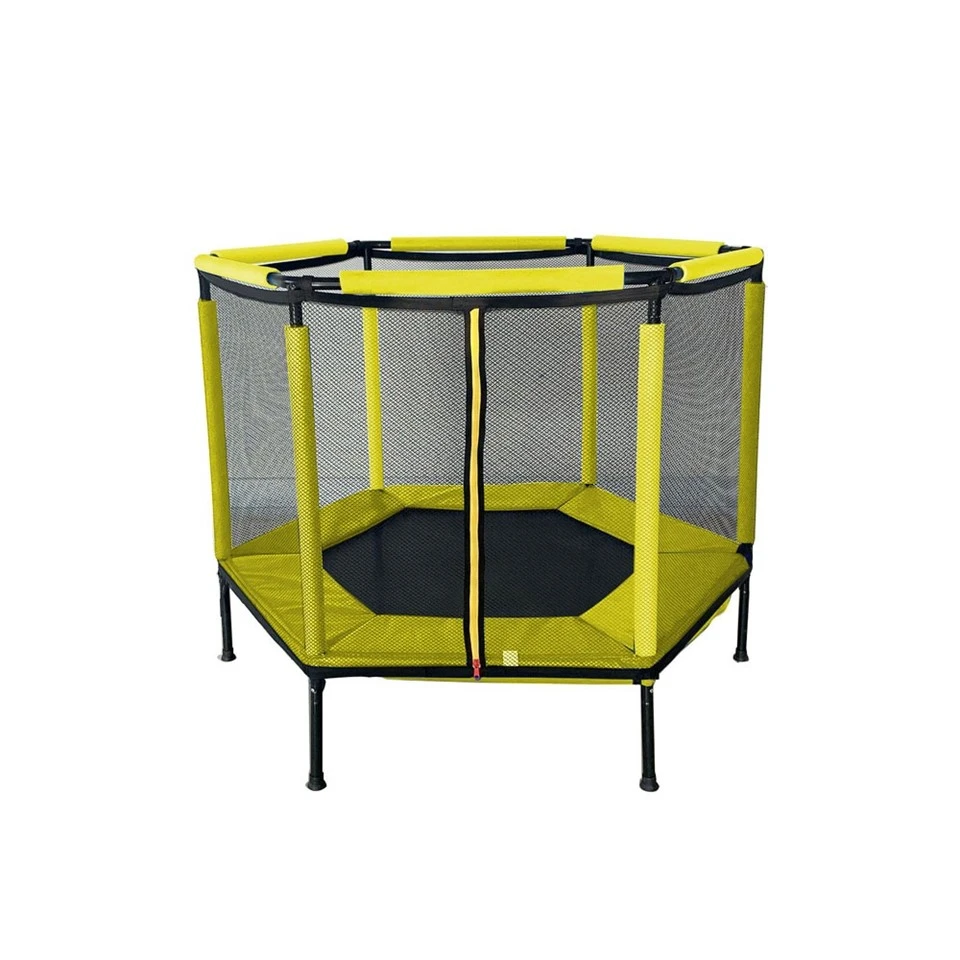
At our company, we offer a wide range of kids trampolines that are designed with safety and durability in mind. Our Childs Trampoline with Net comes with a protective net to prevent children from falling off the trampoline. The net is made of high - quality material that can withstand various weather conditions, including heat to some extent.
Our Small Outdoor Trampoline is perfect for smaller yards. It is built with a sturdy frame and a well - made jumping mat. We use materials that are more resistant to heat - related damage, ensuring a longer lifespan for the trampoline.
For those looking for a more personal trampoline experience, our Personal Trampoline is a great option. It is compact and easy to set up, and we have taken steps to ensure that it can handle the challenges of different weather conditions, including extreme heat.
Conclusion
In conclusion, while kids trampolines can be used in extreme heat, it is essential to be aware of the potential risks to both the trampoline and the children using it. By following the tips mentioned above and choosing high - quality trampolines like the ones we offer, you can enjoy the fun of trampolining while minimizing the risks.
If you are interested in purchasing a kids trampoline, we invite you to contact us for more information and to discuss your specific needs. We are committed to providing the best products and services to ensure a safe and enjoyable trampolining experience for your children.
References
- Incropera, F. P., & DeWitt, D. P. (2002). Fundamentals of Heat and Mass Transfer. John Wiley & Sons.
- American Academy of Pediatrics. (2018). Heat - related illness in children and adolescents. Pediatrics, 142(2).
- National Institute for Occupational Safety and Health. (2016). Heat stress criteria for occupational settings.