

Hey there! As a supplier of trampoline springs, I've spent a whole lot of time thinking about how these springs interact with the trampoline frame. It's a pretty interesting topic, and I'm stoked to share what I've learned with you.
Let's start with the basics. Trampoline springs are the unsung heroes of the whole setup. They're what give you that amazing bounce when you jump on a trampoline. But they don't work alone; they need to interact effectively with the frame to do their job right.
The frame of a trampoline is like the backbone. It provides the structure and support for the entire thing. It's usually made of strong metal, like galvanized steel, which can withstand a lot of stress. The springs, on the other hand, are made of high - quality steel wire that's been coiled into a helix shape. This shape allows the springs to stretch and contract when you jump on the trampoline.
When you jump on a trampoline, your body's weight exerts a downward force on the jumping mat. The mat then transfers this force to the springs. The springs start to stretch as they absorb the energy from your jump. This stretching is crucial because it stores the energy. Just like a rubber band that you stretch and then let go, the springs want to return to their original shape.
As the springs contract back to their original length, they release the stored energy. This energy is what propels you back up into the air, giving you that fun bounce. But here's where the interaction with the frame comes in. The frame has to be strong enough to hold the springs in place while they're stretching and contracting.
The springs are attached to the frame at regular intervals. Most trampolines use hooks or loops to connect the springs to the frame. These connections need to be secure. If they're not, the springs could come loose during use, which is super dangerous. The frame also has to be designed in such a way that it can handle the forces exerted by the springs.
For example, when the springs stretch, they pull on the frame. If the frame isn't strong enough, it could bend or warp. That's why high - quality trampolines have frames that are reinforced at the points where the springs are attached. Some frames even have additional cross - bars or supports to distribute the stress more evenly.
Another important aspect of the interaction between the springs and the frame is the tension. The tension in the springs determines how much they stretch and how high you can bounce. When the trampoline is assembled, the springs are usually pre - tensioned. This means that they're set to a certain level of tightness.
If the springs are too loose, you won't get much of a bounce. And if they're too tight, it can put extra stress on the frame and make the trampoline less comfortable to jump on. So, finding the right balance of tension is key.
Now, let's talk about the different types of springs and how they interact with the frame. There are generally two main types of trampoline springs: traditional coiled springs and bungee cords.
Traditional coiled springs are the most common type. They're made of steel wire and have a very predictable stretch and bounce. These springs are great because they're durable and can handle a lot of use. When it comes to interacting with the frame, they need a strong, stable connection. The hooks or loops that attach them to the frame need to be able to withstand the constant pulling and stretching.
Bungee cords, on the other hand, are a bit different. They're made of elastic material and offer a more flexible bounce. They can stretch more than coiled springs, which can result in a softer, more cushioned jump. However, they also require a different type of attachment to the frame. Bungee cords are usually attached using clips or fasteners that are designed to hold the elastic material securely.
When choosing between these two types of springs, it's important to consider how they'll interact with the frame. The frame needs to be compatible with the type of spring you choose. For example, if you use bungee cords, the frame should have the appropriate attachment points for the clips or fasteners.

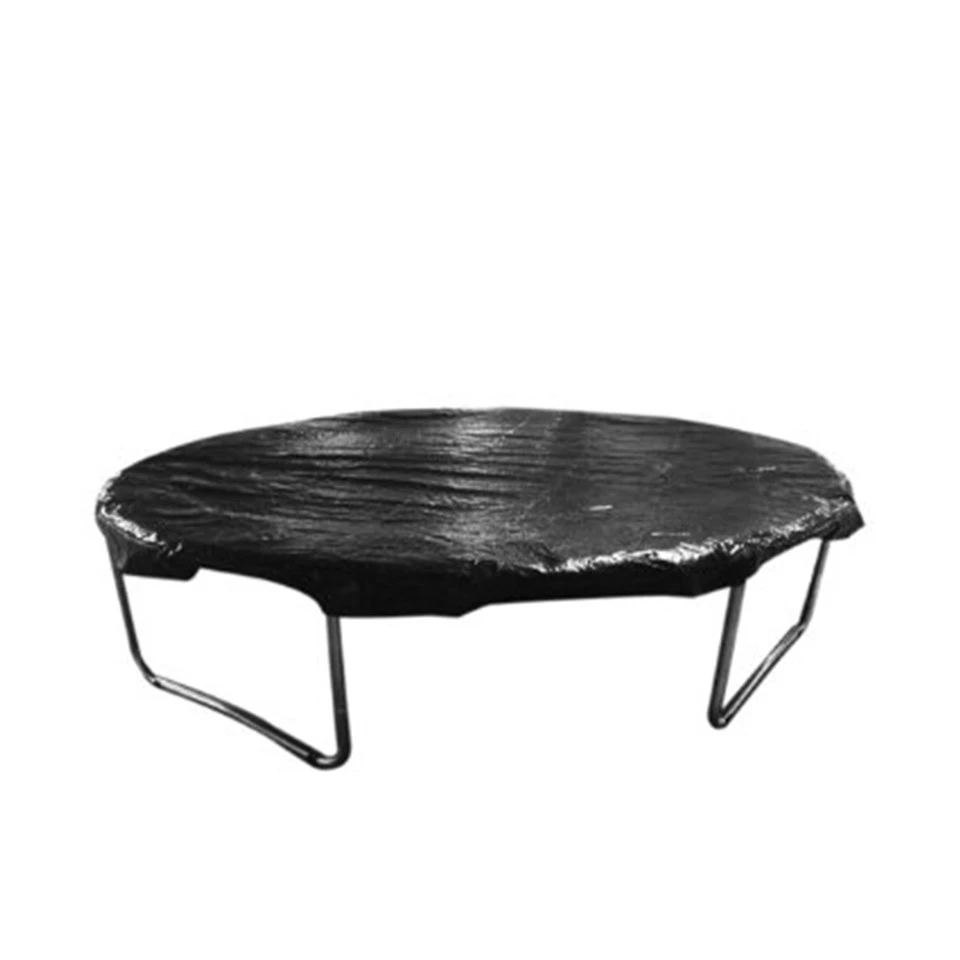
Now, as a trampoline spring supplier, I know that there are also a bunch of accessories that can enhance the trampoline experience. Check out some of these cool accessories: Trampoline Rain Clothes are great for protecting your trampoline from the elements. Trampoline Foam Tubes can add an extra layer of safety, especially if you have kids using the trampoline. And Trampoline Ladder makes it easier to get on and off the trampoline.
In conclusion, the interaction between trampoline springs and the frame is a complex but fascinating process. The springs and the frame need to work together in harmony to provide a safe and fun jumping experience. As a supplier, I make sure that our springs are of the highest quality and are designed to interact effectively with different types of frames.
If you're in the market for trampoline springs or want to learn more about how they work with frames, I'd love to chat. Whether you're a trampoline manufacturer or just someone looking to replace the springs on your home trampoline, I can help you find the right springs for your needs. Let's start a conversation and get you the best trampoline springs out there!
References
- ASTM International. (2019). Standard consumer safety specification for trampolines. ASTM F2137 - 19.
- Trampoline Industry Association. (2020). Safety guidelines for trampoline use.