

As a passionate supplier of fitness trampolines, I've witnessed firsthand the growing popularity of these versatile exercise tools. Beyond their obvious benefits for physical fitness, such as improved cardiovascular health and muscle toning, I've become increasingly intrigued by the potential impact of fitness trampolines on the nervous system. In this blog post, I'll explore the science behind how a fitness trampoline can affect the nervous system and why it's such an exciting area of research.
The Basics of the Nervous System
Before diving into the effects of fitness trampolines on the nervous system, it's important to understand the basics of how this complex system works. The nervous system is responsible for controlling and coordinating all of the body's functions, from movement and sensation to thought and emotion. It's divided into two main parts: the central nervous system (CNS), which includes the brain and spinal cord, and the peripheral nervous system (PNS), which consists of all the nerves that connect the CNS to the rest of the body.
The PNS can be further divided into two branches: the somatic nervous system, which controls voluntary movements and sensory information from the skin, muscles, and joints, and the autonomic nervous system, which regulates involuntary functions such as heart rate, digestion, and breathing. The autonomic nervous system is divided into two subdivisions: the sympathetic nervous system, which activates the body's "fight or flight" response, and the parasympathetic nervous system, which promotes relaxation and restoration.
How Fitness Trampolines Stimulate the Nervous System
One of the key ways that fitness trampolines affect the nervous system is through the stimulation of proprioceptors, which are sensory receptors located in the muscles, tendons, and joints. Proprioceptors provide the brain with information about the position, movement, and tension of the body, allowing us to maintain balance, coordination, and posture.
When you jump on a fitness trampoline, the constant changes in direction, speed, and force stimulate the proprioceptors in your muscles and joints, sending a flood of sensory information to the brain. This increased sensory input helps to improve proprioception, which can lead to better balance, coordination, and agility.
In addition to stimulating proprioceptors, fitness trampolines also activate the vestibular system, which is responsible for maintaining balance and spatial orientation. The vestibular system is located in the inner ear and consists of three semicircular canals and two otolith organs. When you jump on a trampoline, the rapid changes in movement and acceleration stimulate the vestibular system, sending signals to the brain about the body's position and movement in space.
This activation of the vestibular system can have a number of benefits for the nervous system. For example, it can help to improve balance and coordination, reduce the risk of falls, and enhance spatial awareness. It can also have a positive impact on cognitive function, including attention, memory, and learning.
The Effects of Fitness Trampolines on the Autonomic Nervous System
Another important way that fitness trampolines affect the nervous system is through their impact on the autonomic nervous system. As mentioned earlier, the autonomic nervous system is responsible for regulating involuntary functions such as heart rate, digestion, and breathing. It's divided into two subdivisions: the sympathetic nervous system, which activates the body's "fight or flight" response, and the parasympathetic nervous system, which promotes relaxation and restoration.
When you jump on a fitness trampoline, the physical exertion and increased heart rate activate the sympathetic nervous system, which prepares the body for action. This can lead to a number of physiological changes, such as increased blood pressure, heart rate, and respiration. However, as you continue to jump and your body adapts to the exercise, the parasympathetic nervous system begins to take over, promoting relaxation and restoration.
This shift from sympathetic to parasympathetic activation can have a number of benefits for the nervous system. For example, it can help to reduce stress and anxiety, improve sleep quality, and enhance overall well-being. It can also have a positive impact on physical health, including reducing the risk of cardiovascular disease, diabetes, and obesity.
The Benefits of Fitness Trampolines for the Nervous System
Based on the research and evidence available, there are a number of potential benefits of using a fitness trampoline for the nervous system. Here are just a few:
- Improved balance and coordination: By stimulating proprioceptors and the vestibular system, fitness trampolines can help to improve balance and coordination, reducing the risk of falls and injuries.
- Enhanced cognitive function: The increased sensory input and activation of the vestibular system can have a positive impact on cognitive function, including attention, memory, and learning.
- Reduced stress and anxiety: The shift from sympathetic to parasympathetic activation during trampoline exercise can help to reduce stress and anxiety, promoting relaxation and restoration.
- Improved sleep quality: Regular trampoline exercise can help to improve sleep quality, which is essential for overall health and well-being.
- Enhanced overall well-being: The physical and mental benefits of using a fitness trampoline can lead to enhanced overall well-being, including improved mood, energy levels, and self-esteem.
Our Fitness Trampoline Products
At our company, we offer a wide range of high-quality fitness trampolines designed to meet the needs of every user. Whether you're a beginner looking for a simple and easy-to-use trampoline or an experienced athlete looking for a more challenging workout, we have the perfect product for you.

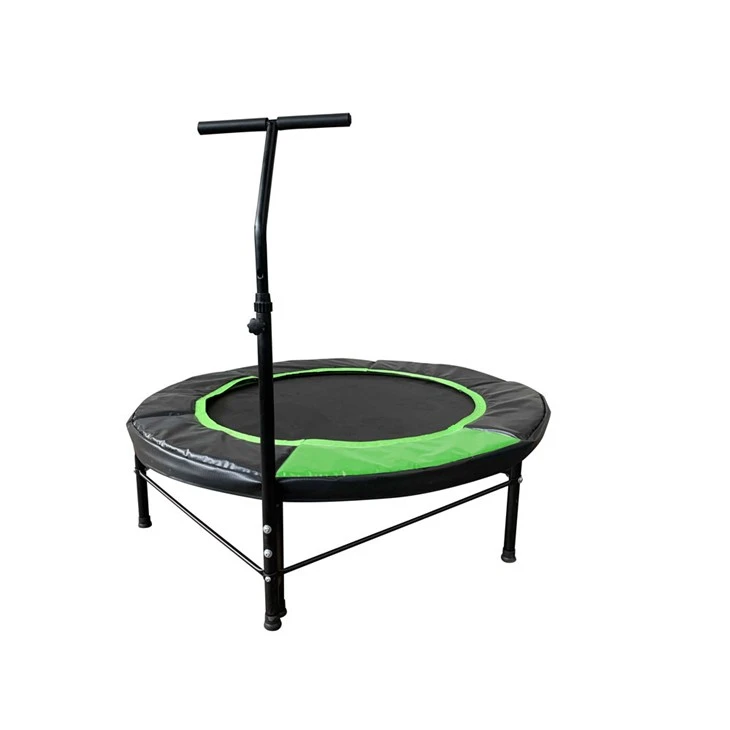
One of our most popular products is the Small Trampoline with Handle. This compact and portable trampoline is perfect for home use and comes with a sturdy handle for added stability and support. It's ideal for beginners and those who want to improve their balance and coordination.
If you're looking for a more versatile and challenging trampoline, we recommend the Home Fitness Trampoline. This larger trampoline is designed for more advanced users and offers a wider range of exercises and workouts. It's perfect for those who want to improve their cardiovascular health, muscle strength, and endurance.
For those who need extra support and stability, we offer the Fitness Trampoline with Handrail. This trampoline comes with a sturdy handrail that provides additional support and balance, making it ideal for older adults, people with disabilities, or those who are recovering from an injury.
Conclusion
In conclusion, the impact of fitness trampolines on the nervous system is a fascinating area of research with many potential benefits. By stimulating proprioceptors, activating the vestibular system, and promoting a shift from sympathetic to parasympathetic activation, fitness trampolines can help to improve balance, coordination, cognitive function, and overall well-being.
If you're interested in learning more about our fitness trampoline products or would like to discuss a potential purchase, please don't hesitate to contact us. We're always happy to answer your questions and help you find the perfect trampoline for your needs.
References
- Cresswell, A. G., & Thorstensson, A. (1994). Muscle proprioception and locomotion. Sports Medicine, 17(4), 263-274.
- DiPietro, J. A., Yang, C., & Costigan, K. A. (2007). Physical activity and cognitive development in children. Early Human Development, 83(11), 711-716.
- Goodwin, G. M., & Attarian, H. P. (2018). The role of the vestibular system in balance and mobility. Otolaryngologic Clinics of North America, 51(1), 1-10.
- Harada, N., & Soya, H. (2015). Exercise and the brain: Neurobiological mechanisms and implications for cognitive function. Neural Regeneration Research, 10(2), 220-226.
- Jonsdottir, I. H., & Thorstensson, A. (2007). Proprioceptive training and fall prevention in the elderly. Sports Medicine, 37(12), 1073-1080.