

As a supplier of personal trampolines, I often receive inquiries from customers about how to maintain and adjust their trampolines. One of the most common questions is how to adjust the tension of the springs on a personal trampoline. In this blog post, I'll share some detailed and practical advice on this topic to help you keep your trampoline in top - notch condition.
Understanding the Importance of Spring Tension
The springs on a trampoline are its heart and soul. They are responsible for providing the bounce that makes trampolining so much fun. Correct spring tension is crucial for several reasons. Firstly, it ensures a consistent and safe bounce. If the springs are too loose, the trampoline may not provide enough upward force, leading to a dull and unexciting bounce. On the other hand, if the springs are too tight, it can create an overly forceful bounce that may pose a risk of injury to the user.
Secondly, proper spring tension helps to extend the lifespan of your trampoline. When the springs are evenly tensioned, the stress on the trampoline mat and frame is distributed more evenly. This reduces the likelihood of premature wear and tear on these components, saving you money in the long run.
Tools You'll Need
Before you start adjusting the spring tension, you'll need to gather a few essential tools. These include a spring puller or pliers, a measuring tape, and a level. A spring puller is specifically designed to safely and easily remove and install springs on a trampoline. If you don't have a spring puller, pliers can be used as an alternative, but be careful as they may not provide as much control. The measuring tape will help you ensure that the springs are evenly spaced and that the trampoline mat is centered. The level is used to check if the trampoline is sitting flat on the ground, which is important for even spring tension.
Step - by - Step Guide to Adjusting Spring Tension
- Inspect the Trampoline
- Begin by thoroughly inspecting your trampoline. Check for any signs of damage to the springs, such as rust, corrosion, or broken coils. If you find any damaged springs, replace them immediately. Using damaged springs can not only affect the performance of your trampoline but also pose a safety hazard.
- Next, check the trampoline mat for any tears or holes. A damaged mat can also affect the spring tension and the overall safety of the trampoline. If the mat is damaged, it may need to be replaced.
- Determine the Current Tension
- Use a measuring tape to measure the distance between the hooks of each spring. This will give you an idea of the current tension of the springs. Compare these measurements to the manufacturer's specifications. If the distances vary significantly, it indicates that the spring tension is uneven.
- You can also use your hands to test the tension of the springs. Gently pull on each spring to feel its resistance. If some springs feel significantly looser or tighter than others, they need to be adjusted.
- Adjusting Loose Springs
- If you find that some springs are too loose, you'll need to tighten them. Start by using your spring puller or pliers to remove the loose spring from the trampoline frame and mat.
- Once the spring is removed, stretch it slightly. You can do this by holding the spring at both ends and gently pulling it apart. Be careful not to over - stretch the spring, as this can damage it.
- After stretching the spring, re - attach it to the trampoline frame and mat. Make sure the spring is securely hooked in place.
- Repeat this process for all the loose springs on your trampoline.
- Adjusting Tight Springs
- If some springs are too tight, you'll need to loosen them. Similar to tightening the springs, use your spring puller or pliers to remove the tight spring from the trampoline.
- To loosen the spring, you can compress it slightly. Place the spring on a flat surface and apply gentle pressure to compress it. Again, be careful not to over - compress the spring.
- Once the spring is compressed, re - attach it to the trampoline frame and mat.
- Checking for Even Tension
- After adjusting the springs, use the measuring tape again to measure the distances between the hooks of the springs. Make sure these distances are consistent across all the springs.
- You can also jump on the trampoline gently to test the bounce. If the bounce feels consistent and even across the entire surface of the trampoline, then the spring tension is likely evenly adjusted. If you notice any areas where the bounce is different, go back and adjust the springs in those areas.
Additional Tips for Maintaining Spring Tension
- Regular Inspections
- Make it a habit to inspect your trampoline regularly, at least once a month during the peak usage season. Check the springs for signs of wear and tear, and adjust the tension as needed.
- Proper Storage
- When not in use, store your trampoline in a dry and protected area. Exposure to the elements, such as rain, snow, and sunlight, can cause the springs to rust and corrode, which will affect their tension and performance.
- Avoid Overloading
- Follow the manufacturer's weight limit guidelines for your trampoline. Overloading the trampoline can put excessive stress on the springs, causing them to stretch or break.
Our Trampoline Products
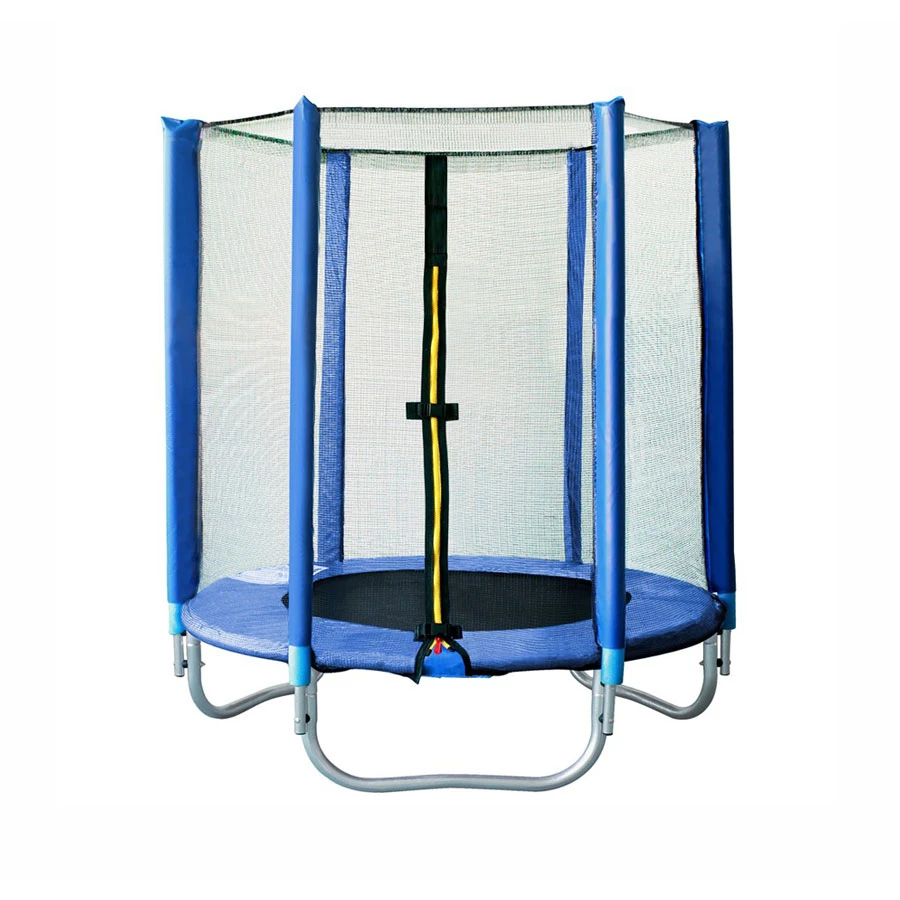
At our company, we offer a wide range of high - quality personal trampolines. Whether you're looking for a Small Childrens Trampoline with Net for your little ones or a 4.5ft Trampoline with Enclosure for slightly older children, we have the perfect option for you. Our Portable Trampoline is also a great choice for those who want to take their trampolining fun on the go.
Contact Us for Purchasing
If you're interested in purchasing a new trampoline or have any questions about adjusting the spring tension of your existing trampoline, we'd love to hear from you. Contact us today to start a purchasing discussion. We'll be happy to provide you with more information about our products and help you make the right choice for your needs.

References
- Trampoline Safety and Maintenance Guide, Consumer Product Safety Commission
- Spring Manufacturing and Design Handbook