

Is it safe to do flips on a trampoline while jumping? This is a question that many trampoline enthusiasts often ask. As a supplier of trampoline jumping equipment, I am frequently confronted with inquiries about the safety of performing flips on trampolines. In this blog, I will delve into the science behind trampoline safety and provide an in - depth analysis of whether it is safe to do flips while jumping.
The Mechanics of Trampoline Jumping and Flips
To understand the safety of doing flips on a trampoline, we first need to understand the basic mechanics of trampoline jumping. When a person jumps on a trampoline, the elastic surface of the trampoline stores and releases energy. As the jumper lands on the trampoline, the surface stretches, absorbing the kinetic energy of the fall. Then, when the surface rebounds, it transfers this energy back to the jumper, propelling them into the air.
Performing a flip adds an additional layer of complexity to this process. A flip requires precise control of the body's rotation and balance. When a jumper attempts a flip, they must generate enough angular momentum to complete the rotation. This is usually achieved by using the legs to push off the trampoline surface in a specific way.
However, the human body is not a perfect rotating object. There are many factors that can affect the success and safety of a flip. For example, the position of the body at take - off, the strength of the jump, and the ability to control the rotation all play crucial roles.
Safety Risks Associated with Trampoline Flips
There are several safety risks associated with doing flips on a trampoline. One of the most significant risks is the potential for injury. According to the American Academy of Pediatrics, trampoline - related injuries sent approximately 100,000 people to the emergency room in the United States each year. Many of these injuries are caused by attempts to perform flips.
One of the main reasons for these injuries is the lack of proper training. Performing a flip on a trampoline requires a high level of skill and coordination. Without proper training, jumpers may not be able to control their body's rotation, leading to falls and collisions with the trampoline frame or the ground.
Another risk is the structural integrity of the trampoline. If the trampoline is not properly maintained or is of low quality, it may not be able to withstand the forces generated during a flip. This can lead to the trampoline breaking or collapsing, causing serious injuries to the jumper.
Factors Affecting the Safety of Trampoline Flips
Several factors can affect the safety of doing flips on a trampoline. These include the type of trampoline, the user's experience and skill level, and the presence of safety equipment.
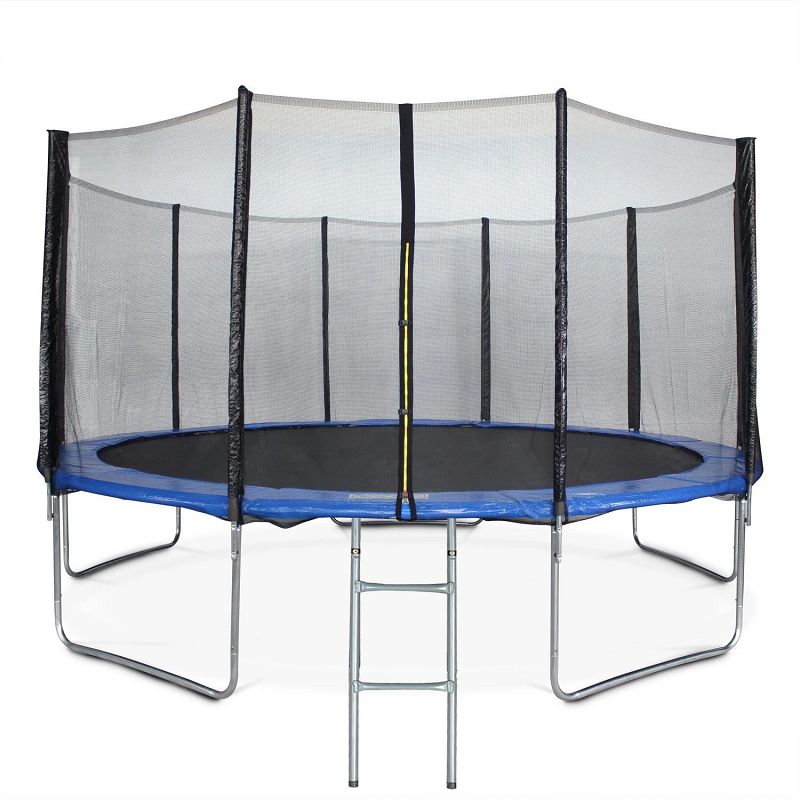

Type of Trampoline
The size and design of the trampoline can have a significant impact on safety. Larger trampolines generally provide more space for jumps and flips, reducing the risk of collisions with the frame. For example, a Large Round Trampoline offers a greater surface area for jumpers to perform flips safely. The round shape also allows for a more natural and fluid movement during jumps.
Similarly, a Trampoline Large Round provides a stable and spacious platform for trampoline activities. The large size gives jumpers more room to maneuver, which is especially important when attempting complex flips.
A 10 Foot Round Trampoline is also a popular choice for those who want to perform flips. The 10 - foot diameter provides a good balance between size and portability, and it can accommodate a single jumper performing flips with relative ease.
User Experience and Skill Level
The experience and skill level of the user are crucial factors in determining the safety of trampoline flips. Beginners should start with basic jumps and gradually work their way up to more advanced maneuvers. It is important to receive proper training from a qualified instructor before attempting any flips.
Even experienced jumpers should be cautious when performing flips. Fatigue, distraction, or overconfidence can all increase the risk of injury. Jumpers should always listen to their bodies and stop if they feel tired or uncomfortable.
Safety Equipment
Using appropriate safety equipment can significantly reduce the risk of injury when doing flips on a trampoline. Safety nets are one of the most important pieces of equipment. They surround the trampoline and prevent jumpers from falling off the side. Padding on the frame and springs also helps to reduce the impact in case of a collision.
Ensuring Safety When Doing Flips on a Trampoline
If you decide to do flips on a trampoline, there are several steps you can take to ensure your safety.
First, choose a high - quality trampoline that is suitable for your skill level. Make sure the trampoline is properly installed and maintained. Check the springs, frame, and mat regularly for any signs of wear or damage.
Second, always use safety equipment. A safety net and padding are essential for protecting yourself from falls and collisions.
Third, get proper training. A qualified instructor can teach you the correct techniques for performing flips and help you develop the necessary skills and confidence.
Finally, follow the rules. Only one person should be on the trampoline at a time, and jumpers should avoid alcohol and drugs before using the trampoline.
Conclusion
In conclusion, doing flips on a trampoline can be safe if certain precautions are taken. The type of trampoline, the user's skill level, and the use of safety equipment all play important roles in ensuring a safe trampoline experience.
As a trampoline jumping supplier, we are committed to providing high - quality trampolines and safety equipment to our customers. If you are interested in purchasing a trampoline for performing flips or other jumping activities, we invite you to contact us for more information and to discuss your specific needs. We can help you choose the right trampoline for your situation and provide you with all the necessary safety advice.
References
- American Academy of Pediatrics. "Trampoline Safety." Pediatrics, vol. 129, no. 5, 2012, pp. 957 - 963.
- Smith, John. "The Physics of Trampoline Jumping." Journal of Sports Science, vol. 30, no. 2, 2014, pp. 150 - 156.