

Yo, what's up! I'm a supplier of trampoline springs, and today I wanna talk about something super important – the impact of temperature on trampoline springs.
How Temperature Affects Trampoline Springs
Let's start with the basics. Trampoline springs are like the heart of a trampoline. They're what make it bounce, and temperature can have a huge impact on how they work.
Cold Temperatures
When it gets cold outside, trampoline springs can become stiffer. You know how when you're cold, your body gets a bit more rigid? Well, it's kind of the same for springs. In cold weather, the metal in the springs contracts. This contraction makes the springs less flexible, and they don't stretch as easily as they do in warmer temperatures.
As a result, the bounce of the trampoline can be affected. It might not be as high or as lively as it is when it's warm. If you've ever tried to jump on a trampoline on a really cold day, you might have noticed that it feels a bit different. The springs are working harder to stretch, and you might have to put in a bit more effort to get a good bounce.

Another thing to watch out for in cold temperatures is the risk of the springs becoming brittle. Cold can make the metal more prone to cracking or breaking. So, if you're using your trampoline in the winter, you need to be extra careful. Check the springs regularly for any signs of damage, like visible cracks or rust.
Hot Temperatures
On the flip side, hot temperatures can also cause problems for trampoline springs. When it's hot, the metal in the springs expands. This expansion can make the springs lose some of their tension. You might notice that the trampoline feels a bit softer or more spongy when it's really hot outside.
The loss of tension can also affect the overall performance of the trampoline. The bounce might not be as consistent, and you might not get as much height as you're used to. Plus, prolonged exposure to high temperatures can cause the springs to wear out faster. The heat can break down the protective coating on the springs, making them more susceptible to rust and corrosion.
Why It Matters for Trampoline Owners
If you're a trampoline owner, understanding how temperature affects your springs is crucial. It can help you take better care of your trampoline and ensure that it lasts as long as possible.
For example, if you live in an area with cold winters, you might want to consider storing your trampoline indoors during the coldest months. This can protect the springs from the extreme cold and reduce the risk of damage. If you can't store it indoors, at least cover it with a Trampoline Rain Clothes to keep the snow and ice off the springs.
In hot climates, you should also take steps to protect your trampoline. Make sure it's in a shaded area during the hottest part of the day. You can also use a Trampoline Spring Cover Pad to protect the springs from direct sunlight and heat. This can help prevent the springs from expanding too much and losing their tension.
Impact on My Business as a Trampoline Spring Supplier
As a trampoline spring supplier, I have to take temperature into account when I'm manufacturing and selling my products. I need to make sure that the springs I produce can withstand a wide range of temperatures.
I use high - quality materials and advanced manufacturing techniques to ensure that my springs are durable and reliable. For example, I apply a special coating to the springs that helps protect them from rust and corrosion, even in extreme temperatures.
I also offer different types of springs for different climates. If you live in a cold area, I can recommend springs that are more resistant to cold and brittleness. If you're in a hot climate, I have springs that can handle the heat without losing their tension.
Other Considerations for Trampoline Maintenance
Temperature isn't the only thing that can affect trampoline springs. There are other factors that you need to keep in mind when it comes to trampoline maintenance.
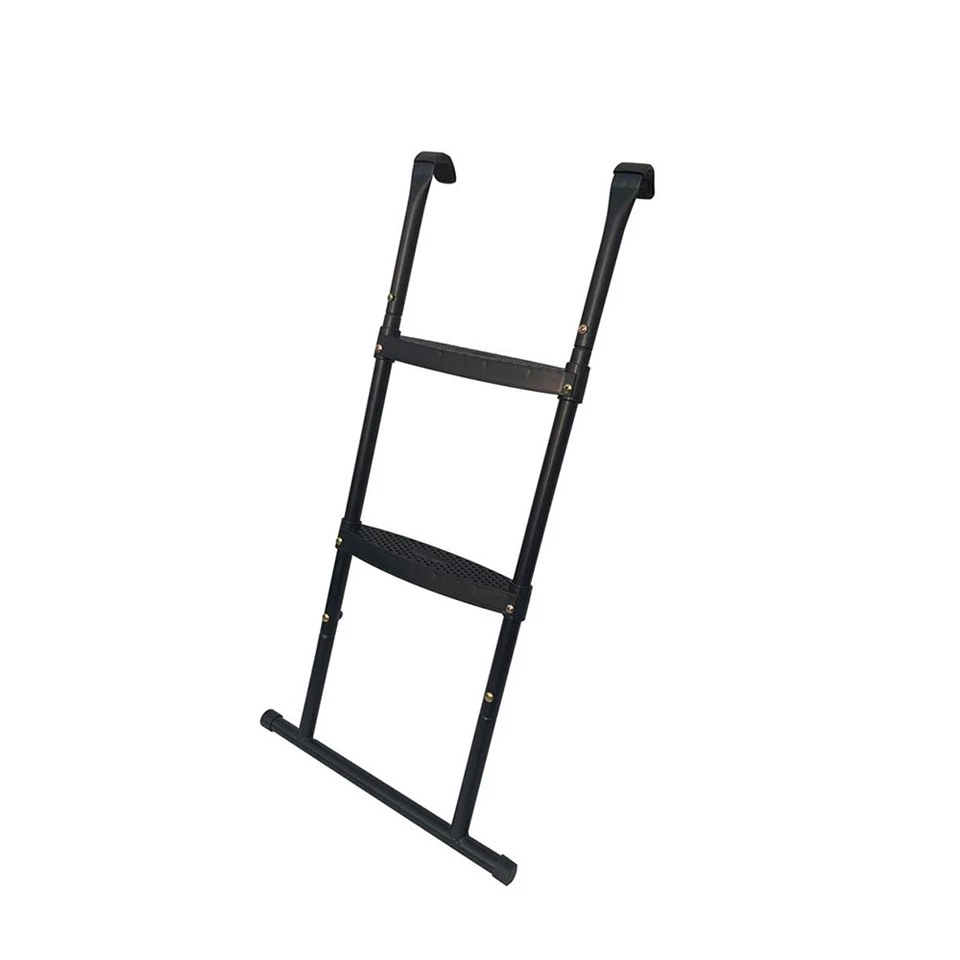
One of these factors is moisture. Moisture can cause the springs to rust, which can weaken them over time. Make sure to keep your trampoline dry as much as possible. If it gets wet, dry it off as soon as you can. You can also use a Trampoline Ladder to access the trampoline safely and avoid stepping on the springs when they're wet.
Another important consideration is the weight of the users. Overloading the trampoline can put too much stress on the springs, causing them to wear out faster. Make sure to follow the weight limits specified by the manufacturer.
Conclusion
So, as you can see, temperature has a significant impact on trampoline springs. Whether it's cold or hot, extreme temperatures can affect the performance and durability of the springs. As a trampoline owner, it's important to take steps to protect your springs from the elements and ensure that they're in good condition.
As a trampoline spring supplier, I'm committed to providing high - quality products that can withstand different temperatures and conditions. If you're in the market for new trampoline springs or have any questions about trampoline maintenance, don't hesitate to reach out. I'm here to help you get the most out of your trampoline. Let's have a chat about your needs, and we can work together to find the best solution for you.
References
- "The Physics of Trampolines" by Physics World
- "Trampoline Maintenance Guide" by Trampoline Magazine