

Hey there! As a supplier of personal trampolines, I often get asked about the wear - and - tear rate of trampoline mats. It's a crucial topic, especially for those who want to make a smart investment in a trampoline. So, let's dive right into it.
What Affects the Wear - and - Tear Rate?
First off, the quality of the material used in the trampoline mat plays a huge role. High - quality mats are usually made from strong, durable materials like polypropylene or nylon. These materials are designed to withstand a lot of stress. Cheaper mats, on the other hand, might be made from lower - grade materials that are more prone to damage. For example, if you buy a Portable Trampoline with a low - quality mat, it's likely to wear out faster than a more expensive one with a better - quality mat.
The frequency of use also matters a great deal. If you have a Mini Indoor Trampoline that your kids use every day for hours, the mat is going to experience more wear and tear compared to a trampoline that's only used occasionally. Each jump puts stress on the mat, stretching the fibers and potentially causing small tears over time.
The weight of the users is another important factor. A Childs Trampoline with Net is typically designed for lighter children. If an adult uses it regularly, the extra weight can put excessive strain on the mat, increasing the wear - and - tear rate. Most trampolines come with a recommended weight limit, and it's really important to stick to it to ensure the longevity of the mat.
Environmental conditions can't be ignored either. If your trampoline is placed outdoors, it's exposed to the elements. Sunlight can cause the mat to fade and become brittle over time. Rain and humidity can lead to mold and mildew growth, which can weaken the mat. Even extreme temperatures, whether it's very hot or very cold, can affect the material's properties and make it more likely to break down.
How to Estimate the Wear - and - Tear Rate?
It's tough to give an exact wear - and - tear rate because there are so many variables at play. However, as a general rule of thumb, a well - made trampoline mat that's used moderately (a few times a week for an hour or so) and kept in good conditions can last anywhere from 3 to 5 years.
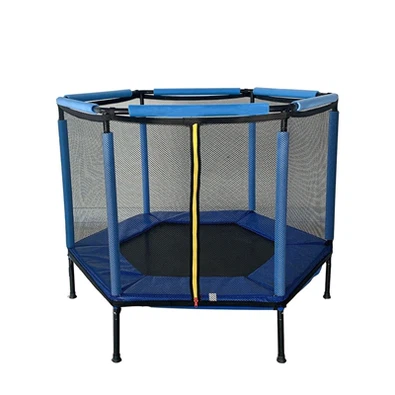
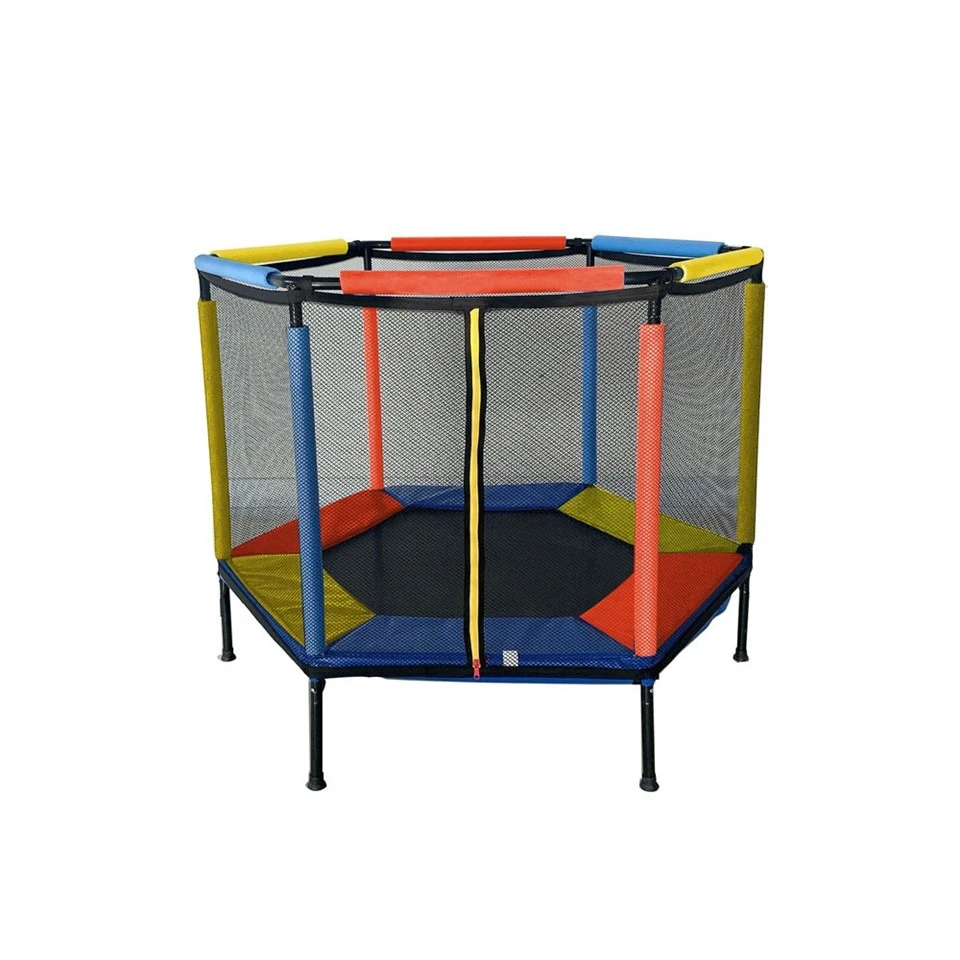
If you're using the trampoline more frequently, say every day for a couple of hours, you might start to notice signs of wear within 1 to 2 years. These signs can include fraying at the edges, small holes, or a loss of elasticity.
To get a better idea of how your trampoline mat is holding up, you should do regular inspections. Check the edges of the mat for any signs of fraying or loose threads. Look for small holes or tears, even if they're tiny, as they can grow over time. You can also test the mat's elasticity by gently jumping on it. If it feels less bouncy than it used to, that could be a sign of wear.
Tips to Reduce the Wear - and - Tear Rate
There are several things you can do to extend the life of your trampoline mat. First, make sure to follow the manufacturer's instructions for use and maintenance. This includes cleaning the mat regularly. You can use a mild soap and water to clean it, and make sure to dry it thoroughly to prevent mold growth.
If your trampoline is outdoors, consider using a trampoline cover when it's not in use. A cover can protect the mat from the sun, rain, and other elements. It's also a good idea to place the trampoline in a shaded area if possible to reduce sun exposure.
Another tip is to limit the number of users on the trampoline at one time. Overcrowding can put too much stress on the mat and increase the wear - and - tear rate. And of course, always make sure that the users are within the recommended weight limit.
When to Replace the Trampoline Mat?
Knowing when to replace the trampoline mat is crucial for safety reasons. If the mat has large holes, significant fraying, or has lost a lot of its elasticity, it's time for a replacement. Using a worn - out mat can be dangerous as it may not provide the proper support, increasing the risk of falls and injuries.
If you notice that the mat is starting to sag in the middle or has uneven areas, that's also a sign that it's time to replace it. A sagging mat can affect the trampoline's performance and make it less fun to use.
Conclusion
So, there you have it - the wear - and - tear rate of a personal trampoline mat depends on a variety of factors, including the quality of the material, frequency of use, weight of the users, and environmental conditions. By taking good care of your trampoline and following the tips I've mentioned, you can extend the life of the mat and get the most out of your investment.
If you're in the market for a new personal trampoline or need a replacement mat, I'd love to have a chat with you. We offer a wide range of high - quality trampolines and accessories, and our team is always ready to help you find the perfect fit for your needs. Don't hesitate to reach out if you have any questions or want to discuss your options.
References
- Trampoline Safety Handbook. National Recreation and Park Association.
- Consumer Reports: Trampoline Reviews and Buying Guide.